The developer of a tiny solar project in rural New South Wales (NSW) has found itself caught in the middle of community anger over another very different project – Snowy 2.0.
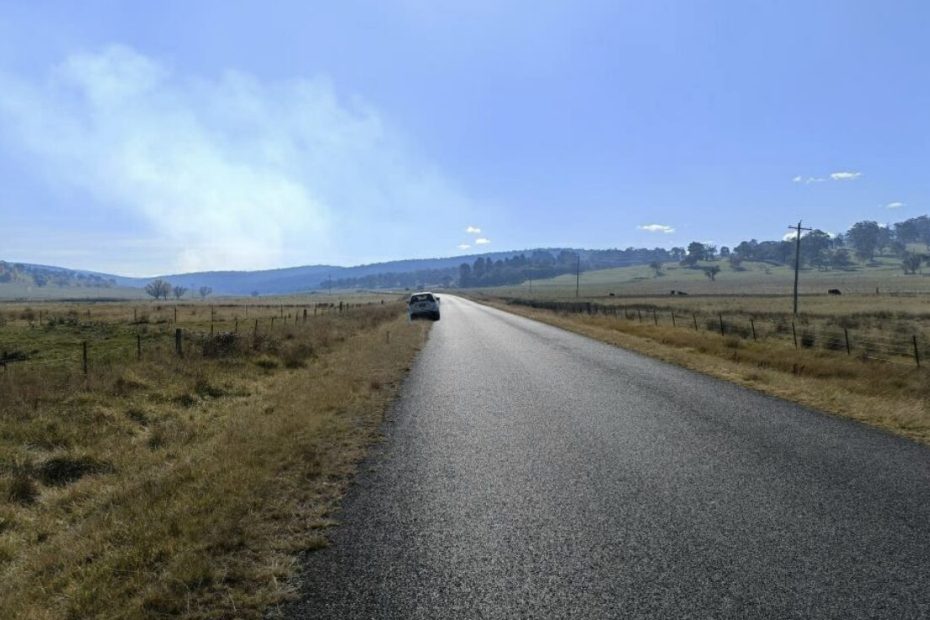
EDPR Australia is proposing a 4.99 megawatt (MW) solar and battery project for a site 1km up the road from Old Adaminaby, the remnants of the town submerged by one of the original Snowy Hydro dams.
But when it lobbed plans into the public sphere in late 2025 it faced a community burning with anger over the protracted construction of Snowy Hydro’s ill-starred successor, Snowy 2.0.
Adaminaby farmer Ineke Stephens said Snowy 2.0 was a “significant hit” on the area, blaming it for businesses closing down, lost tourism, and taking staff from local companies.
“This locality has taken a significant hit from renewable projects, mainly Snowy 2,” Stephens told a Southern Regional Planning Panel last week.
“This project [by EDPR] will not bring any economic value. Housing is already an issue, so it’ll affect housing supply even more. If we thought renewable projects helped our community, it would be proven with the current Snowy 2, [which] it’s not.”
The location of the proposed Adaminaby solar and battery project. Image: EDRP planning documents.
Another local, Neville Locker, accused the EDPR project of changing the whole character of an area – even one steeped in some of Australia’s biggest energy projects, and partly submerged by one of its dams.
“It seems that every time we turn around, the authorities and the local council and everybody else seem to disrespect the fact that Adaminaby’s had a tough time,” he told the panel.
“I think that this is rather sad that you’re allowing a, what is the first step in changing the rural aspect of the whole place by putting on this 10,000 solar panel [by the] side of the road to start, and obviously they’re changing the heritage significance of the area.”
The region around Adaminaby has a long history of hosting energy projects.
The town was moved in the mid 1950s to where it is now, after it was decided that the nearby dam, the largest of the 16 built to power the Snowy hydro scheme, would flood the old town and the surrounding farmland.
In a lesson for today’s developers and authorities, that decision still burns 60 years later.
The EDPR project, which comes with a development cost of nearly $10 million according to the Snowy Monaro regional council, is proposed for a 12 hectare patch of farmland on a country road linking two small towns on the Eucumbene dam.
A planning consultant for EDPR says the attraction of very-small “town scale” developments in quiet country areas was the lack of extra infrastructure they need to hook into the grid.
“We’ve got about more than 30 of these small solar farms across the line,” the consultant told the planning panel.
“The only additional infrastructure is only one pole and the lines to connect to that.”
The location of the proposed Adaminaby solar and battery project. Image: EDRP planning documents.
The planning documents call the soil “low to medium” quality.
It is a characterisation that one speaker called “absolute nonsense” but Stephens, while disagreeing with the ‘low’ end said it is “incredibly difficult” to grow vegetation in the area, and asked what EDPR plans to do to nurse screening trees to maturity.
The project attracted 18 submissions opposing it when it first opened to public views in March, which meant it went back to the drawing board and returned for another round of public views in June.
Then only three of the original 18 opponents chose to relodge submissions.
These included fears about traffic, whether the visual impact of a solar project on a backroad really is minimal, and glint and glare from the panels.
Last week, the planning consultant said the trucks used to build the project would be the same size as stock and other farm trucks that already ply the route.
A nearby residence and the road are expected to experience glint and glare at certain times of the day and on come times of the year, and an EDPR representative said they can manually control the panel trackers to avoid this.
The one and a half hour long session also heard detailed allegations of procedural unfairness and suspicions of corruption, with one speaker asking why the project was sized at 4.99 MW and not 5 MW and demanding an account of any public money involved in it.
To support independent media, and help combat the spread of deliberate misinformation and disinformation about the energy transition, you can click here to make a one off donation or become a regular supporter of Renew Economy.
Rachel Williamson
Rachel Williamson is a science and business journalist, who focuses on climate change-related health and environmental issues.
Share this:
Facebook
X
LinkedIn
Reddit
Email
Print