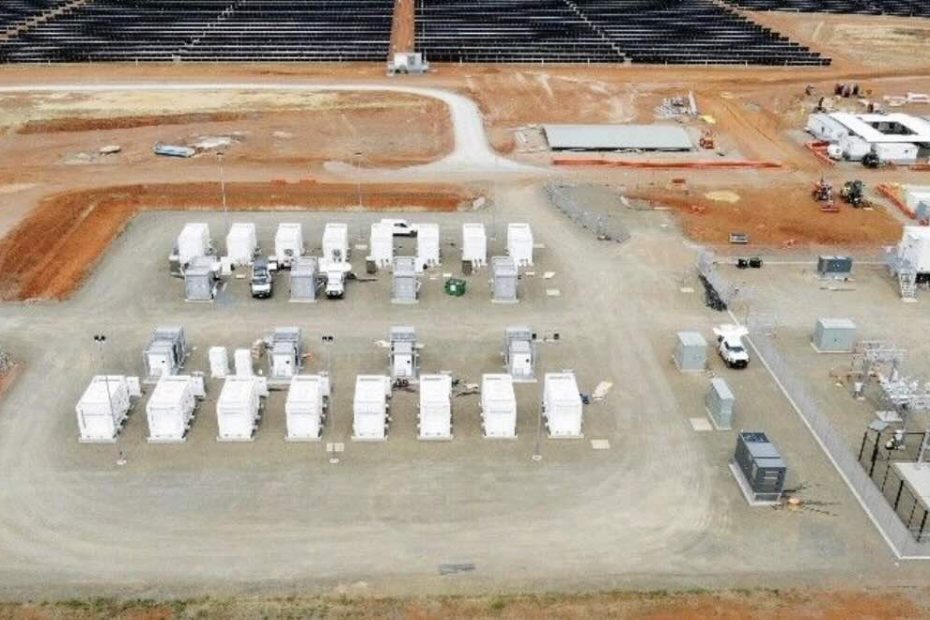
New South Wales has settled on a plan to unlock the value of solar-battery hybrid projects, as it prepares two massive new tenders designed to boost renewable capacity to help the state shut down the nation’s largest coal fleet.
ASL, the AEMO subsidiary that is managing federal and state renewable and storage tenders, has released its preferred option to provide focused support for solar-battery hybrid projects, which are rapidly emerging as the go-to technology in Australia because of the plunging costs of battery cells and the ease of contraction.
NSW intends to hold two big tenders in the second half of this year, totalling 5 gigawatts of new generation capacity, and expects solar-battery hybrids to be a “key contributor” to these tenders and the state’s 2030 targets.
The state is still keen on large wind projects, and expects interest from wind and battery hybrid projects too, but wind technology has proved difficult to bring to market because of higher costs, planning issues, and delays in new transmission.
Solar-battery hybrids, meanwhile, have dominated recent federal and state tenders because of their lower price, and because they fit the demand needs of many customers – even though none are fully operating yet at scale in Australia’s main grid.
ASL earlier this year sought feedback on the development of a specially-designed LTESA (long term energy supply agreement, a sort of underwriting deal) that would reflect their different operating and revenue characteristics of solar battery hybrids, which can store surplus energy behind the same connection point for use later in the day.
This technology addresses several key problems, including solar curtailment, the provision of firm power to tap into the evening peaks, and also reflects the demand curve of many industrial and commercial users.
ASL favours one of two options proposed by industry stakeholders, one that is based around the actual exports of individual projects, rather than a defined shape. ASL says this was the most preferred structure because it reflects actual generation and exports, and is considered more bankable.
The proposal shares upside and downside risk, and ASL will seek to increase the downside protection to make it more attractive to debt providers. It will also consider to work on annual payment caps and these are expected to be finalised before the next tender is launched in the next three months.
NSW plans two generation tenders this year – for a total of 5 GW of generation – because its allocation in the federal government’s Capacity Investment Scheme will already be reached, and it needs more wind and solar if the remaining four coal fired power stations are retired within the next decade.
If, as expected, solar-battery hybrids do well in these tenders, then there will be significant amount of storage as well, helping to deliver more power into the peaks and helping new solar projects avoid daytime negative prices.
“ASL expects that solar-battery hybrids could be a key contributor to these tenders and the 2030 Infrastructure Roadmap,” the document says.
“ASL remains technology neutral and is committed to supporting all generation projects, including wind. It is expected that wind-hybrid projects would also bid for the hybrid generation LTESA.” Standalone solar and wind will also be able to bid for the existing generation LTESA.
If you wish to support independent media, and accurate information, please consider making a one off donation or becoming a regular supporter of Renew Economy. Please click here. Your support is invaluable.
Giles Parkinson
Giles Parkinson is founder and editor-in-chief of Renew Economy, and founder and editor of its EV-focused sister site The Driven. He is the co-host of the weekly Energy Insiders Podcast. Giles has been a journalist for more than 40 years and is a former deputy editor of the Australian Financial Review. You can find him on LinkedIn and on Twitter.
Share this:
Facebook
X
LinkedIn
Reddit
Email
Print