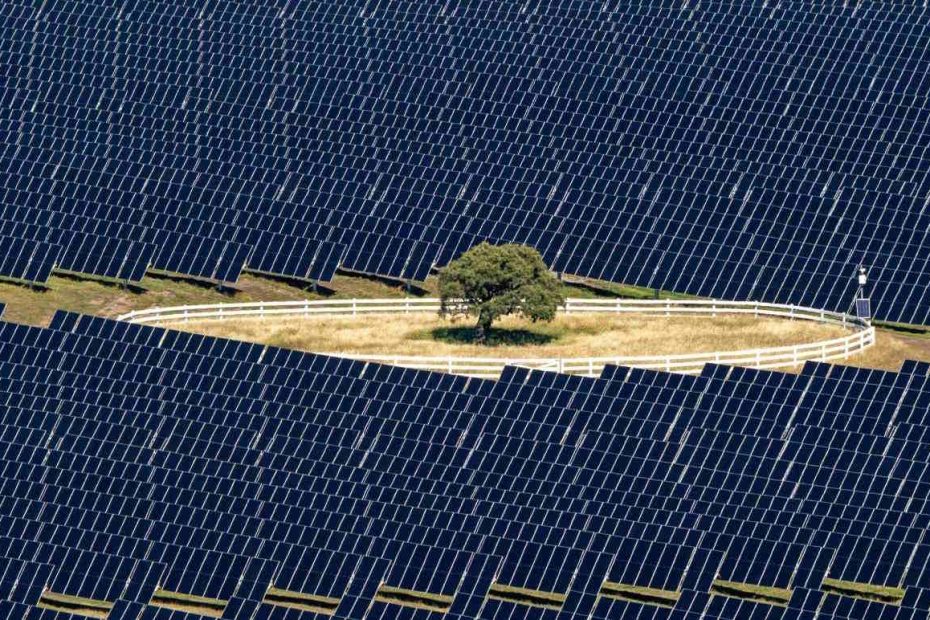
One of New Zealand’s largest solar farms was officially opened last week, with the 150-megawatt (MW) Kōwhai Park solar farm on New Zealand’ South Island expected to generate 275 gigawatt-hours (GWh) of electricity each year.
Developed by a joint venture consisting of local gentailer Contact Energy and global renewable energy developer Lightsource BP, the Kōwhai Park solar farm began construction in early 2025 after it secured $NZ267 million in financing in mid-2024.
Located adjacent to the Christchurch Airport on Aotearoa New Zealand’s South Island, the 150 MWact/168 MWdc solar farm is made up of around 300,000 solar panels and is expected to generate electricity equivalent to the annual demand of around 36,000 homes.
Electricity generated at the farm will be sold to Christchurch Airport and dairy company Synlait under long-term power purchase agreements.
“New Zealand has an incredible renewable energy advantage,” said Mike Fuge, Contact Energy CEO.
“Building new generation at scale gives businesses the confidence to electrify and strengthens our security of supply. That means a more resilient energy system, with more home-grown generation supporting a productive and prosperous New Zealand.
“Kōwhai Park is our first completed solar farm, and we have another two consented sites in Taranaki and Northland in joint venture with Lightsource BP.”
The official opening of the Kōwhai Park solar farm followed hot on the heels of the launch of New Zealand’s largest solar farm, the Tauhei Solar Farm, located on the country’s North Island.
Image Credit: Harmony Energy
Developed between New Zealand renewable energy generator Harmony Energy and London headquartered investment management firm Igneo Infrastructure Partners, the Tauhei solar farm is 202 MW in size and capable of generating enough renewable electricity to power approximately 35,000 average homes.
The Tauhei solar farm was first energised in June when it began exporting electricity to the grid and has been undergoing several months of testing and commissioning. At the time, Harmony Energy expected full commercial operations to begin some time in October.
Joshua S Hill
Joshua S. Hill is a Melbourne-based journalist who has been writing about climate change, clean technology, and electric vehicles for over 15 years. He has been reporting on electric vehicles and clean technologies for Renew Economy and The Driven since 2012. His preferred mode of transport is his feet.
Share this:
Facebook
X
LinkedIn
Reddit
Email
Print