The men who fought off mining giant Fortescue have put together another ambitious gambit, this time a 4 gigawatt (GW) renewable energy project in the Pilbara that will partly power their green iron startup.
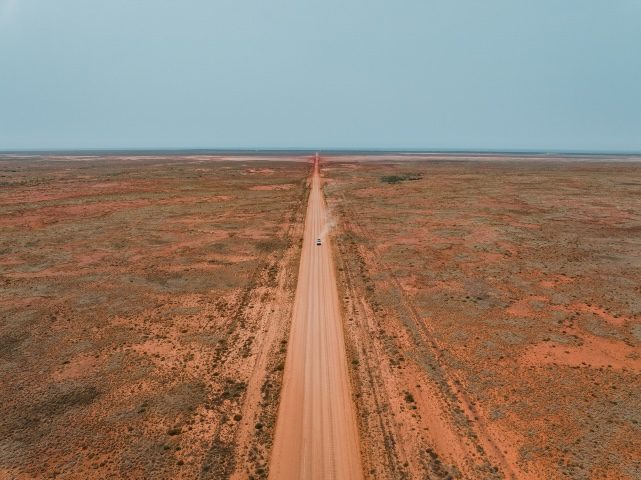
A project dubbed Wallareenya intends to install a mix of wind and solar on 200,000 hectares of land about 30km south of Port Hedland in Western Australia’s Pilbara region.
The developer, SP Energy, is linked with Element Zero which is the green iron business that billionaire Andrew Forrest’s Fortescue tried to bring to heal in a bitter court case against the three founders.
The iron ore miner accused former employees Michael Masterman, Bart Kolodziejczyk and Bjorn Winther-Jensen of stealing critical information for their own startup, but the matter was dismissed late last year with the consent of both sides.
SP Energy, which Masterman called a “sister company” to Element Zero during a WA committee hearing in February, is due to provide at least some of the power needed for the electricity-driven green iron process.
“SP Energy is intending also to supply renewable energy to Element Zero’s planned green-iron project in the Pilbara,” Matt Edwards, SP Energy project developer, told Renew Economy.
“The project is intended to support a diverse group of industrial customers rather than relying on a single offtaker.”
The two companies are currently a bit more than just ‘sisters’, and share a range of key staff.
Long time renewables executive Steve Nethery is SP Energy’s CEO and also Element Zero’s chief development officer; Masterman is the developer’s executive chair; and Edwards is the solar officer for both companies, pinched from Adani Solar and before that the solar research hothouse at UNSW.
Element Zero is developing an electrochemical process to convert iron ore into high-purity iron using renewable electricity, and in September won a $26 million grant to scale up its Perth demonstration plant.
Developer in a hurry
The Wallareenya project is still at an early stage, but the developer is in a hurry: SP Energy wants to break ground on the first 1 GW stage in 2028, a project that will encompass both generation and transmission to get the power to Port Hedland.
It then plans to get started on the other 1 GW stages before 2030 “as demand, transmission infrastructure and customer arrangements progress,” Edwards says.
“The staged development model allows generation and infrastructure to grow with customer demand,” he says.
It has preliminary agreements so far with pastoralist and Native Title holders and landed a state approval to do early investigations, but is yet to launch full planning applications.
It’s also in the market for investors. Edwards says financing will be “assembled” as the stages are built.
Data centres in the mix
Data centres are, of course, also in the mix as a buyer.
“Port Hedland has fibre connectivity to Perth and Singapore, creating the potential for renewable-powered data centres and artificial-intelligence compute serving Australian and export markets,” Edwards says, mirroring another developer’s justification last week for a massive data centre project in the Kimberley region.
The massive wind and solar proposal is not the only one targeting Port Hedland’s existing heavy industry and possible future data centre potential.
The Australian Renewable Energy Hub (AREH), about 250 km east of Port Hedland, is a 16 GW proposal to service the heavy electricity needs of green hydrogen.
Fortescue is setting aside 200 megawatt (MW) of the new Pilbara green grid set up to power its mines for data centres or other third party users, and the Ngarluma Aboriginal Corporation is setting up a portion of its lands as a 1.2 GW energy park which developers can lease.
To join more than 29,000 others and get the latest clean energy news delivered straight to your inbox, for free, click here to subscribe to our free daily newsletter.
To support independent media, and help combat the spread of deliberate misinformation and disinformation about the energy transition, you can click here to make a one off donation or become a regular supporter of Renew Economy.
Rachel Williamson
Rachel Williamson is a science and business journalist, who focuses on climate change-related health and environmental issues.
Share this:
Facebook
X
LinkedIn
Reddit
Email
Print