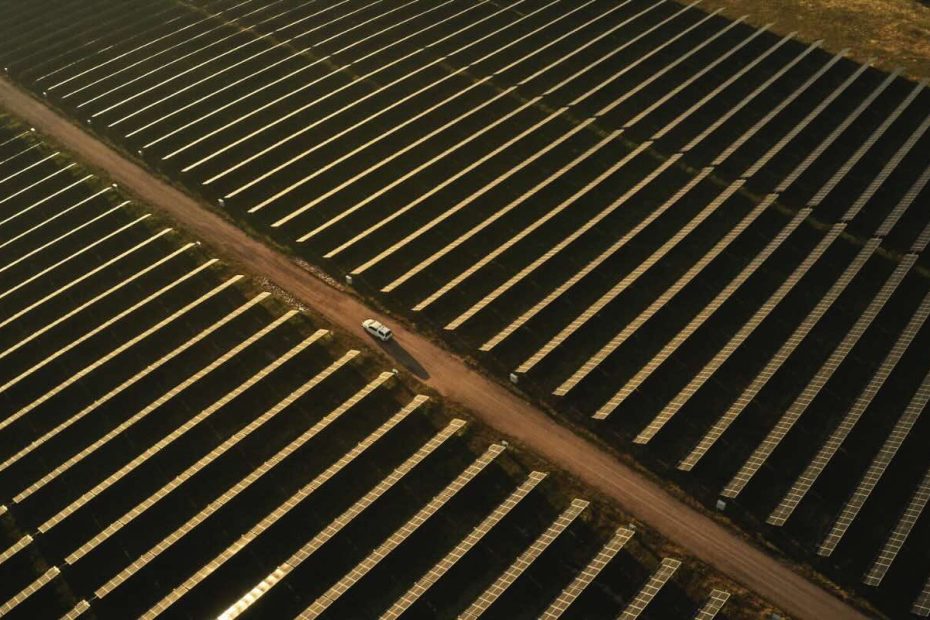
One of the solar projects at the heart of Rio Tinto’s plans to close its Gladstone coal fired power station in 2029 and power its giant smelters and refineries with renewables and storage has received development approval, opening the way for construction to begin.
The 1.1 gigawatt (GW) Upper Calliope solar project received the go head from the Gladstone regional council late last week, opening the way for construction to begin on the enormous project.
It now has both development and federal environmental approvals in hand.
The Upper Calliope project site, being developed by European Energy, is located 50 kms west of Gladstone and spread across 12 lots and road reserves and 8,000 hectares.
The Calliope River flows through the project area, which features mostly cleared farming land. The project web site says one third of the site will be dedicated to the solar project, and two thirds will be suitable for continued grazing activities.
At 1.1 GW, it will be Australia biggest solar project, and likely to remain so until some of the mega-solar projects, such as the20 GW SunCable proposal, are built in the early 2030s.
It’s part of a clutch of renewable energy and storage projects that will feed Rio Tinto’s energy-hungry Boyne Smelter in Gladstone and the Yarwun and Queensland alumina refineries, and replace the Gladstone coal fired power station that Rio plans to close in 2029.
Rio Tinto signed a power purchase agreement (PPA) over the whole offtake for the solar project for 25 years – an unusually long tenure for any PPA and at the time the biggest in Australia.
It followed that with a similar deal over the 1.4 GW Bungaban wind project.
In March this year, the mining giant signed another massive solar and battery storage deal with Edify Energy to secure the future of the smelter and refineries, which are among the country’s biggest consumers of energy.
The deal with Edify Energy includes a 600 megawatt (MW) / 2,400 megawatt hour (MWh) battery array and 600 MW of solar from the neighbouring Smoky Creek and Guthrie’s Gap solar farms.
Rio Tinto has flagged that it might close the ageing 1,680 MW Gladstone coal-fired power station six years early in March 2029, when electricity contracts for the smelter and refineries end.
In other locations, where Rio Tinto does not own the nearby coal power station, it has pushed governments for sweet electricity deals – and won.
Earlier in December it landed a cheap power deal for the Tomago smelter in New South Wales after months of threatening to shut it down over spiralling energy costs.
If you would like to join more than 28,000 others and get the latest clean energy news delivered straight to your inbox, for free, please click here to subscribe to our free daily newsletter.
Rachel Williamson
Rachel Williamson is a science and business journalist, who focuses on climate change-related health and environmental issues.
Share this:
Facebook
X
LinkedIn
Reddit
Email
Print