Just four months after entering the EPBC queue, the Corop solar battery in central northern Victoria is out the other side with a nothing-to-see-here, not a controlled action verdict.
The full two stage solar project will total 440 megawatts (MW) behind the meter and plug into a 290 MW, 704 megawatt hour (MWh) battery.
But the first stage of 230 MWac is what will be built first, with construction starting as soon as the end of this year, according to Peter Leeson, director of developer BNRG Leeson.
It’s that section of the two stage project which was a winner in the most recent round of the federal government’s latest Capacity Investment Scheme (CIS) generation tender, which underwrote the first stage and the whole battery.
Leeson says they’re not sure when they’ll start building stage two, as they’re focusing on getting the first part to final investment decision this year.
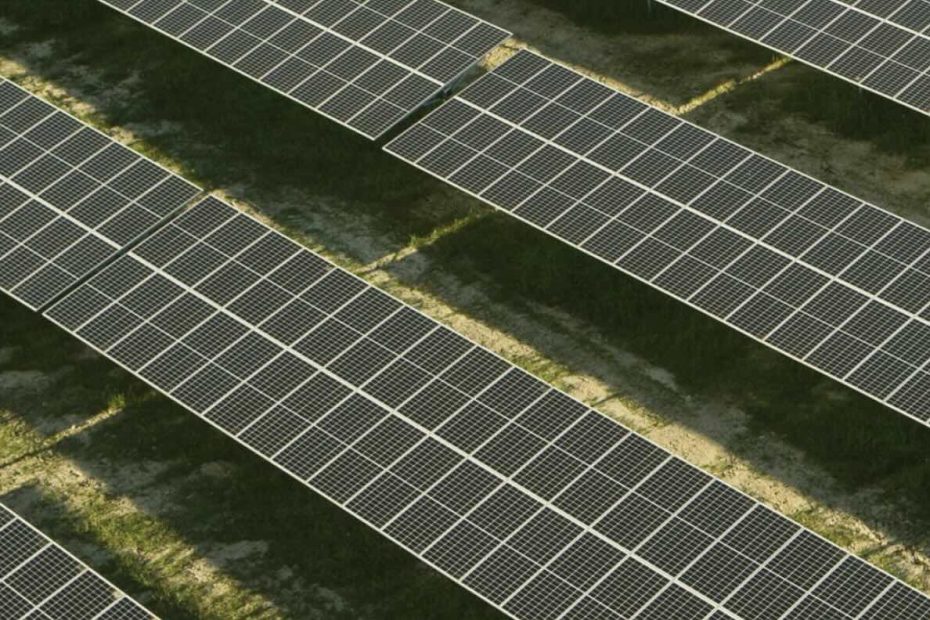
The full plan for the Corop project is to install around 1.19 million solar panels and up to 208 BESS containers on 1,100 hectares of farm land, spanning 12 titles near Rushworth in central northern Victoria.
It was one of 11 solar-battery hybrids which dominated the CIS tender, which awarded underwriting agreements to 20 projects with a combined total capacity of 6.5 gigawatts (GW).
Large scale solar-battery hybrids have become very popular in the last 18 months as the cost of both technologies plunge, and given each have an easier run through state and federal planning processes than wind projects.
According to the EPBC documents, the Corop project is proposed for construction on a “highly modified rural landscape” dominated by cropping and grazing.
The developers say the majority of the proposed project area has been cleared of native vegetation and is currently used for agricultural purposes.
Three temporary freshwater wetlands are noted as “important natural features” within the proposed project area that will be avoided and designed around to avoid any impact.
The referral documents say the potentially two-stage project has been subject to public consultation since 2019, including “multiple community engagement activities” designed to inform and involve local stakeholders.
If you would like to join more than 29,000 others and get the latest clean energy news delivered straight to your inbox, for free, please click here to subscribe to our free daily newsletter.
Rachel Williamson
Rachel Williamson is a science and business journalist, who focuses on climate change-related health and environmental issues.
Share this:
Facebook
X
LinkedIn
Reddit
Email
Print