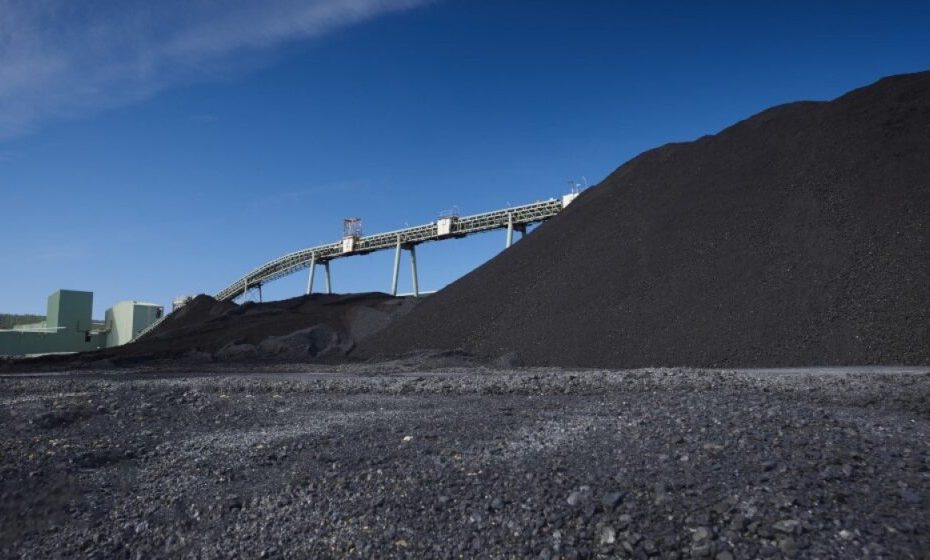
New South Wales has approved the plans of Australia’s largest listed coal miner to transform a retired mine site in the Hunter region into a renewable energy hub capable of dispatching 300 megawatts of energy over a 12-hour period, using a combination of pumped hydro and solar power.
NSW minister for planning Paul Scully said on Wednesday that the $1.8 billion Stratford Pumped Hydro and Solar project has been given the green light for construction at the site of Yancoal Australia’s Stratford Mining Complex (SMC), a former open-cut coal mine in the Gloucester Basin, north of Newcastle.
The project was first proposed by Gloucester Coal, a subsidiary of Yancoal, in 2024 – the same year that operations ceased at the Stratford mine. It is the first pumped hydro project to secure final planning approval in NSW in six years.
The hub includes 300 megawatt (MW) of pumped hydro with up to 12 hours of energy storage – or 400 MW over nine hours, subject to network capacity, according to the Environmental Impact Statement (EIS) – and a 320 MW solar farm.
To generate electricity, water will be transferred between a new upper reservoir and an existing dam (lower reservoir) via a tunnel, with water for the initial reservoir to be sourced from the existing mine site.
It will provide “firming” by storing surplus electricity generated during the day and releasing it at peak times in the evening. It is forecast to deliver around 13 per cent of the state’s 2034 long duration energy storage target.
The pumped hydro energy storage (PHES) component would include construction of an upper reservoir, a tunnelled waterway between the upper reservoir intake and powerhouse, and a tailrace tunnel connecting the powerhouse to the lower reservoir. An existing dam would be augmented to serve as the lower reservoir.
Image: Yancoal
The project would also include construction and operation of a “behind the meter” solar farm to supply the PHES, with the option to export electricity to the grid in times of surplus solar generation.
The existing 132 kilovolt (kV) electricity transmission line would be re-aligned across the previously disturbed mine area and an on-site electrical substation would be built to connect the PHES and the solar to the grid.
The EIS notes that the project site has significant advantages that minimise its environmental impacts, including the ability to use and repurpose existing disturbance areas, infrastructure and water stored in mine voids, as well as its location close to existing transmission and transport routes.
“In addition, unlike other proposed pumped hydro projects, the Project is a combined solar generation and storage model, which provides additional supply
of renewable energy for the PHES, reducing the reliance on electricity imported from the grid,” the EIS says.
“These factors make the Project a commercially attractive [post-mine land-use] opportunity that would provide ongoing economic and social benefits to the local Gloucester community and contribute to decarbonisation of the NSW electricity grid in the near-term.”
According to the EIS, the project will supply enough electricity to power approximately around 140,000 NSW households, and will avoid between 320,000 and 550,000 tonnes of carbon dioxide equivalent per year if this electricity was alternatively produced by gas-fired power generation.
“This is the first pumped hydro project to secure final planning approval in NSW in 6 years,” said Scully on Wednesday. “It’s a sign of our commitment to a clean energy future and the beginnings of an evolution of jobs and energy generation in the Hunter to power homes and businesses.
“Projects like Stratford Pumped Hydro also show how we can make the most of former mining sites and create new jobs and industry which will help to drive the region’s economic growth for decades to come.”
The Stratford solar and pumped hydro project is still awaiting a decision on environmental approval from the federal government, via the EPBC assessment process.
To join more than 29,000 others and get the latest clean energy news delivered straight to your inbox, for free, click here to subscribe to our free daily newsletter.
If you wish to support independent media, and accurate information, please consider making a one off donation or becoming a regular supporter of Renew Economy. Please click here. Your support is invaluable.
Sophie Vorrath
Sophie is editor of Renew Economy and editor of its sister site, One Step Off The Grid . She is the co-host of the Solar Insiders Podcast. Sophie has been writing about clean energy for more than a decade.
Share this:
Facebook
X
LinkedIn
Reddit
Email
Print